Hi, I'm Ansar. I design seamless, empathetic services by putting people, community, and culture at the center of the process.
Designing relational infrastructure between exchange students and residents of Tallinn
Despite co-existing in one space, it is rarely possible for exchange students and local residents in Tallinn to form meaningful connections. This project investigates the structural conditions that produce this social siloing and proposes a relational service design intervention to address it.
Helping sports enthusiasts make informed decisions
Sports fans in Korea are enthusiastic about sports analysis but get intimidated by dashboards full of data and players information, which makes it overwhelming to predict the outcome of the game. The AI assistant had to be easy to navigate and provide insightful results.
Harmonising service touchpoints for a premium Arctic Christmas experience in Lapland
Lapland is a well-known destination for its Christmas charm. There are many enterprises that strugle to balance premium storytelling with genuine operational consistency. This project explored how service design thinking could help Joulukka close the gap between the magical experience it promises and the one guests actually encounter.

Increasing civic participation of youth through rewards system
Although civic education is a part of Latvia’s national curriculum, many young people remain disengaged from local civic life. The project explored how reward systems could be used to motivate young people to participate in local communities.
Designing a farm-to-table digital platform to reconnect urban consumers in China with small-scale fruit farmers
Small-scale fruit farmers in China lacked the digital tools to reach health-conscious urban consumers who increasingly demanded transparency and freshness in their food.
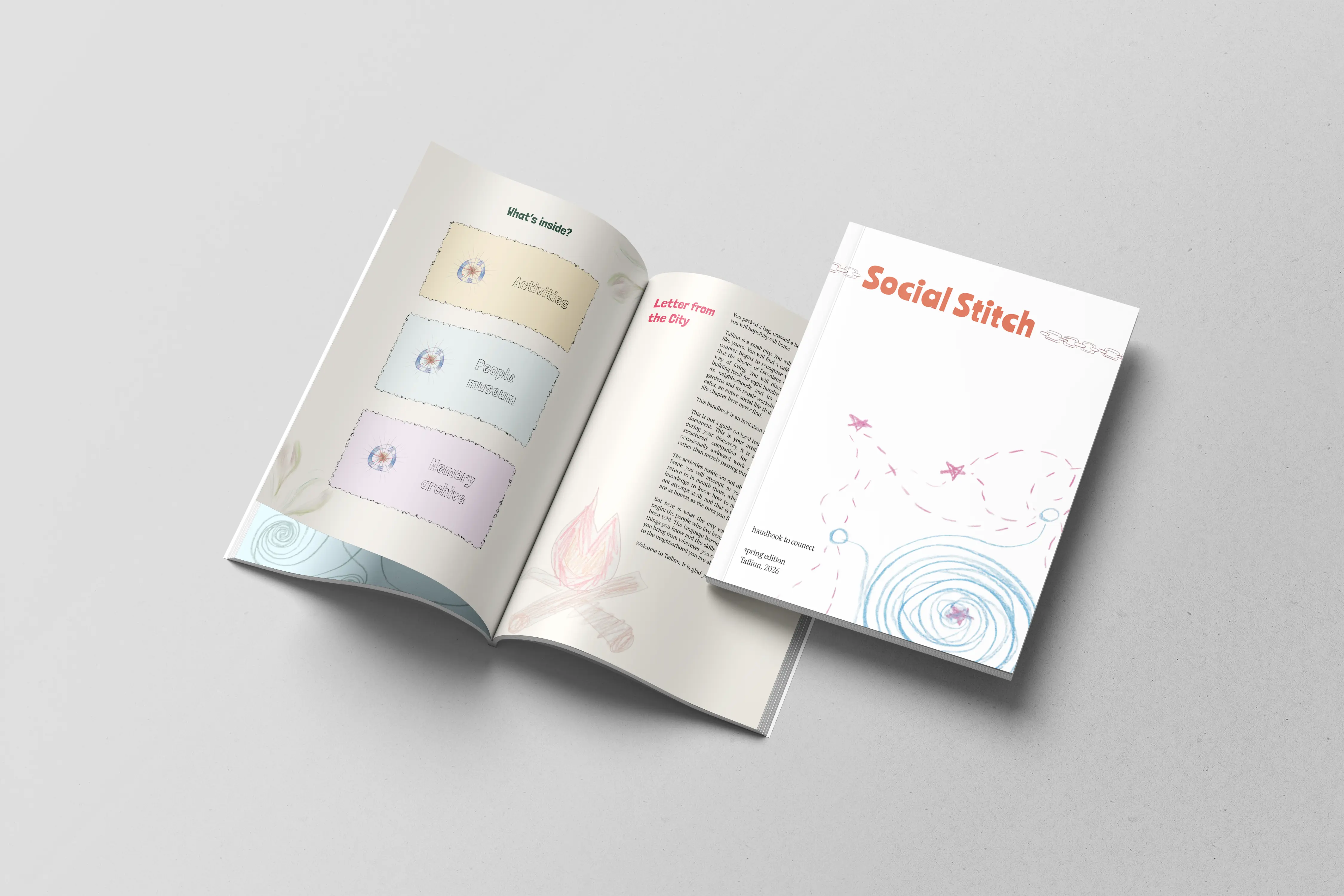
A participatory service design thesis exploring how to design relational infrastructure between exchange students and residents of Tallinn.
Despite co-existing in one space, it is rarely possible for exchange students and local residents in Tallinn to form meaningful connections. This project investigates the structural conditions that produce this social siloing and proposes a relational service design intervention to address it.
It specifically looks at how newcomers get trapped in an isolated "Erasmus bubble," sticking close to other international students because breaking into local routines feels out of reach. By popping this bubble, the intervention builds an easy, natural bridge that connects both groups through their daily lives.
1. Triangulated Field Research: My discovery phase mapped systemic isolation by triangulating primary qualitative insights through multi-contextual autoethnography alongside deep-dive interviews with both international students and local civic stakeholders in Tallinn.
2. Speculative Co-Creation: I utilized co-creation workshops, behavioral field tests, and public space design probes to navigate psychological barriers, which helped me isolate the need for a material "Third Object" to trigger natural human connection.
3. Hybrid Strategic Framework: I used a hybrid design framework combining the Double Diamond and Stanford Design Thinking.
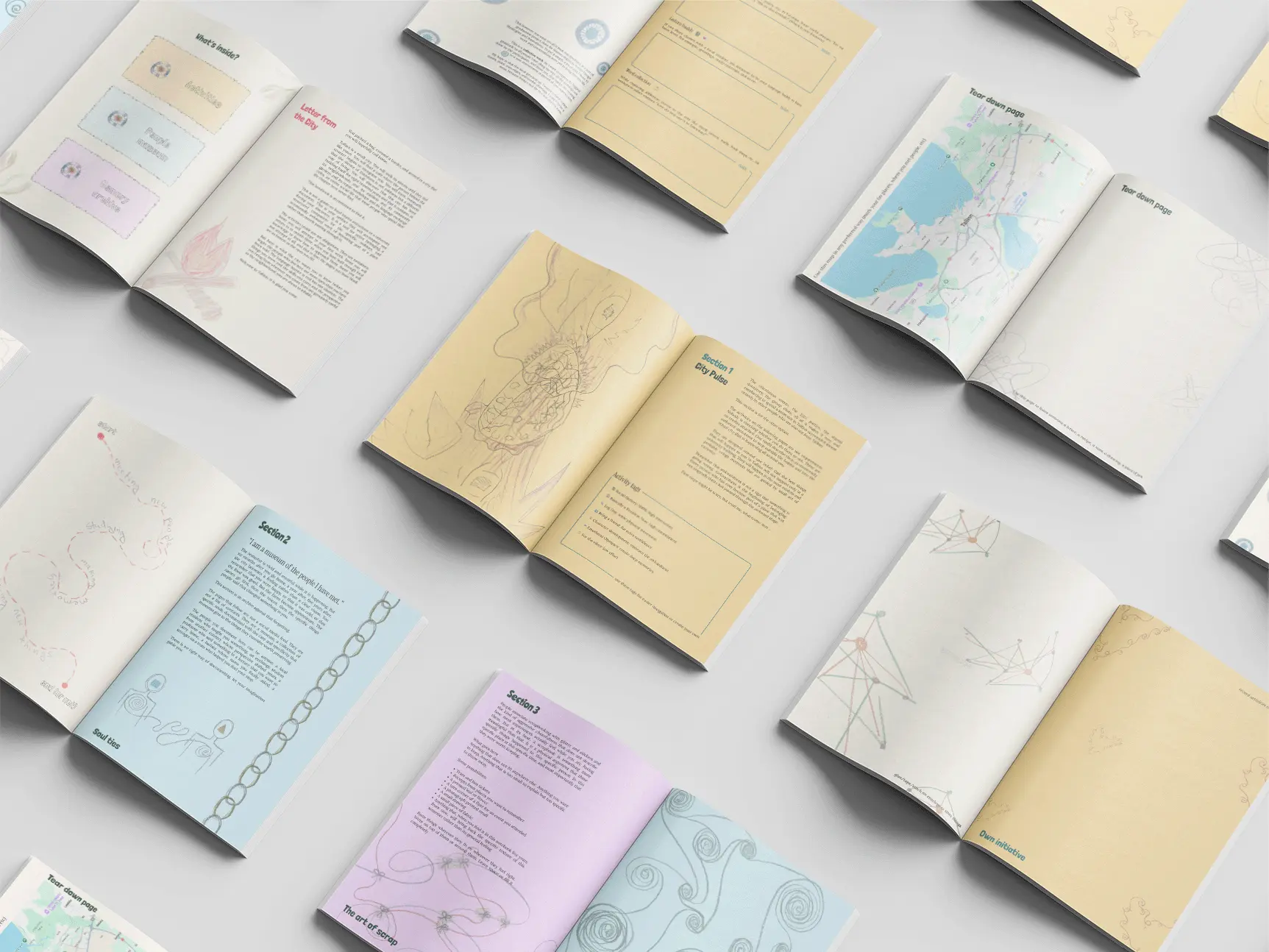
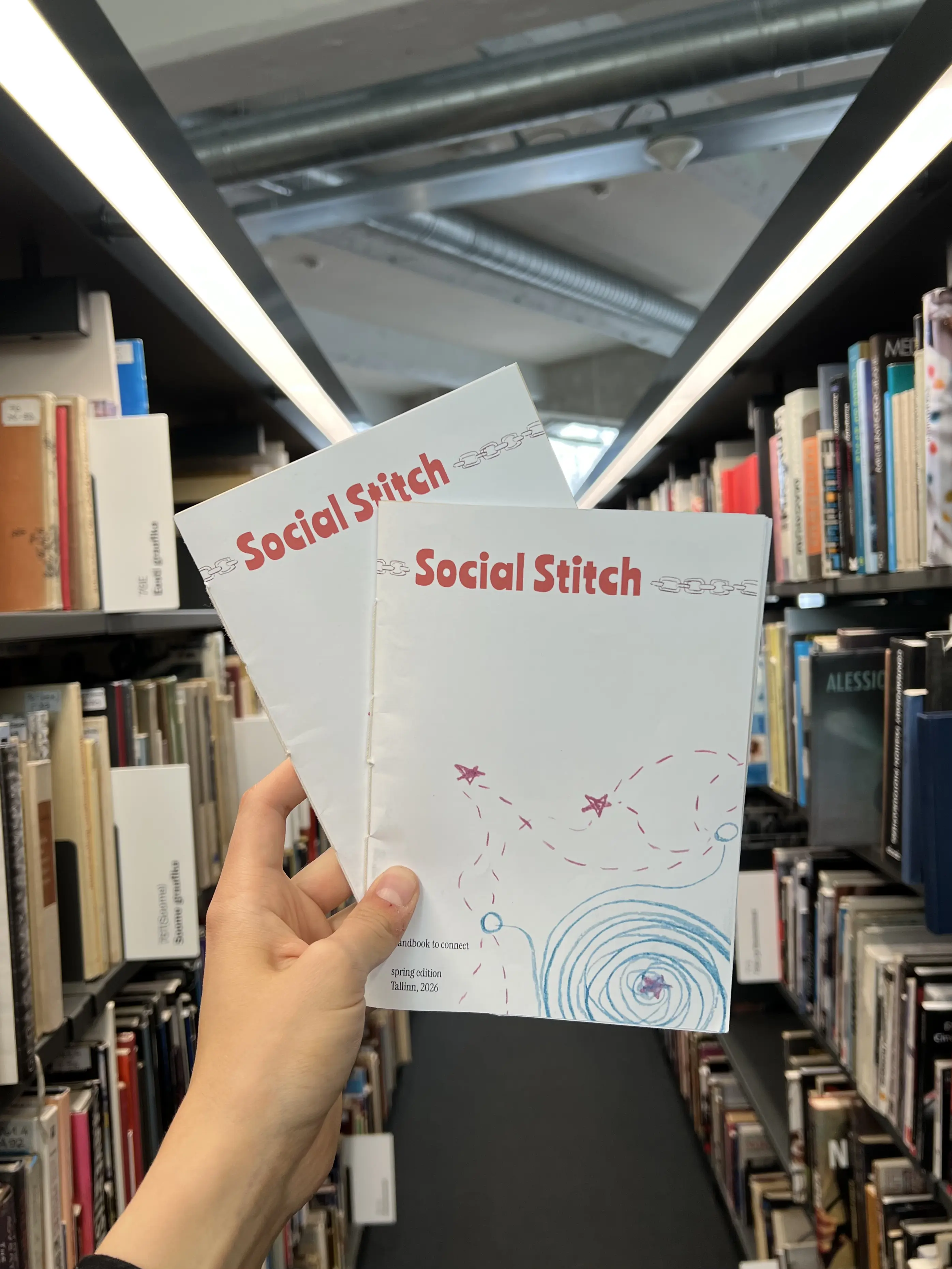
1. Different Rhythms of Life. Students arrive with the unburdened drive to explore, while locals are bound to pre-established professional and domestic routines.
2. Connection as a Byproduct. When connection is the primary goal, it fails to manifest. Instead, it appears as a byproduct of a shared engagement with an external purpose. For example, attending lectures or hobby circles.
3. The Third Object Concept. People can physically coexist in a shared space without ever interacting due to a lack of situational activators. Connection requires a shared tangible material or communicative catalyst that provides a reason for encounter.
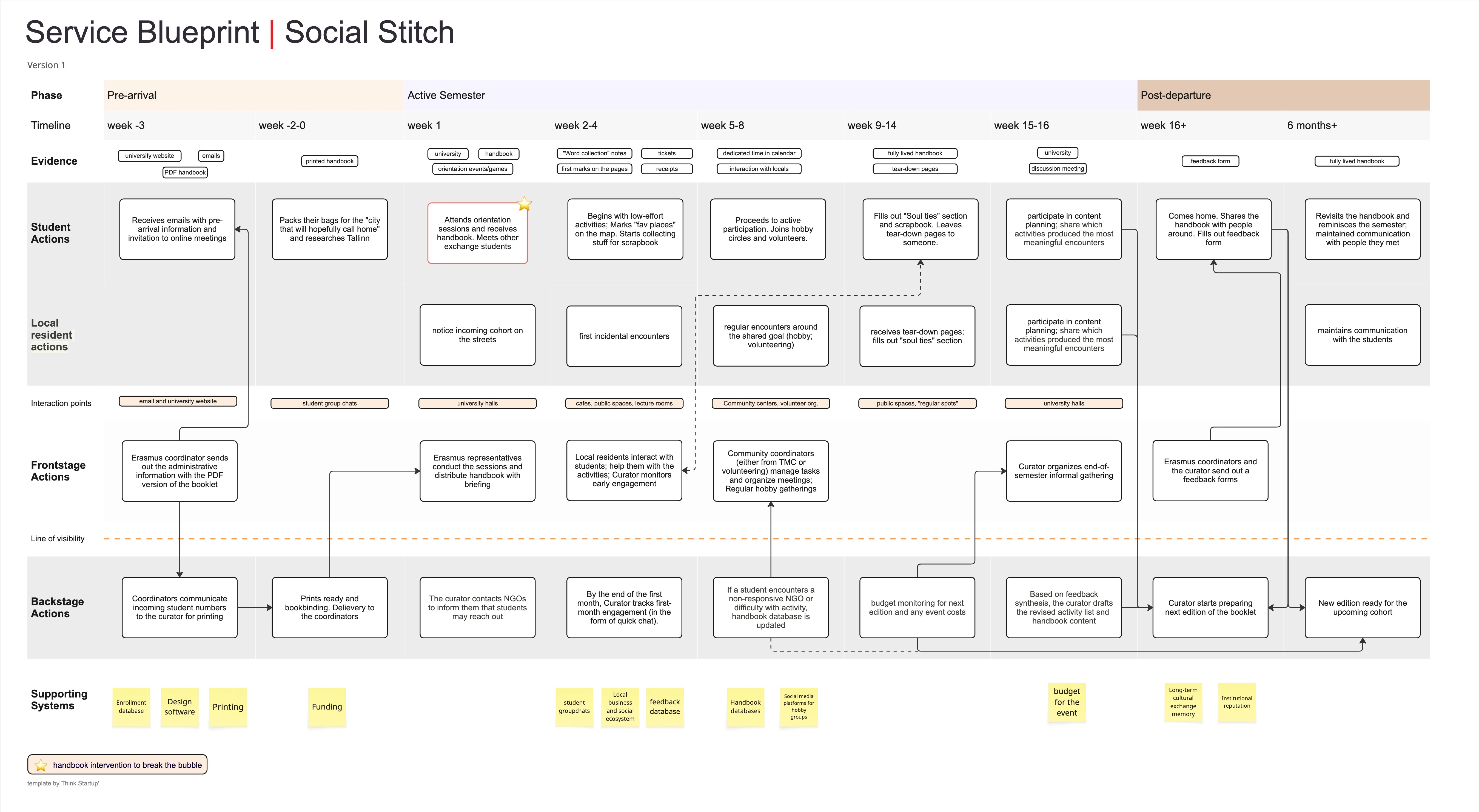
Throughout the process, I learned how to apply Relational Design and Participatory Design methodologies to treat human relationships as my primary design material, co-creating the handbook's content and visuals directly with my research participants to transform them from passive users into co-authors of the system. Simultaneously, I applied the principles of Service Design and Social Infrastructuring to expand this physical artifact into a resilient, self-renewing backend ecosystem that shifts the focus away from isolated, temporary event planning toward a durable social grid.
This systemic approach helped me develop the capacity to build long-term, socio-technical frameworks that continuously coordinate people, spaces, and collective actions over time despite the constant turnover of student cohorts.
Redesigning AI sports assistant to help sports enthusiasts make informed decisions.
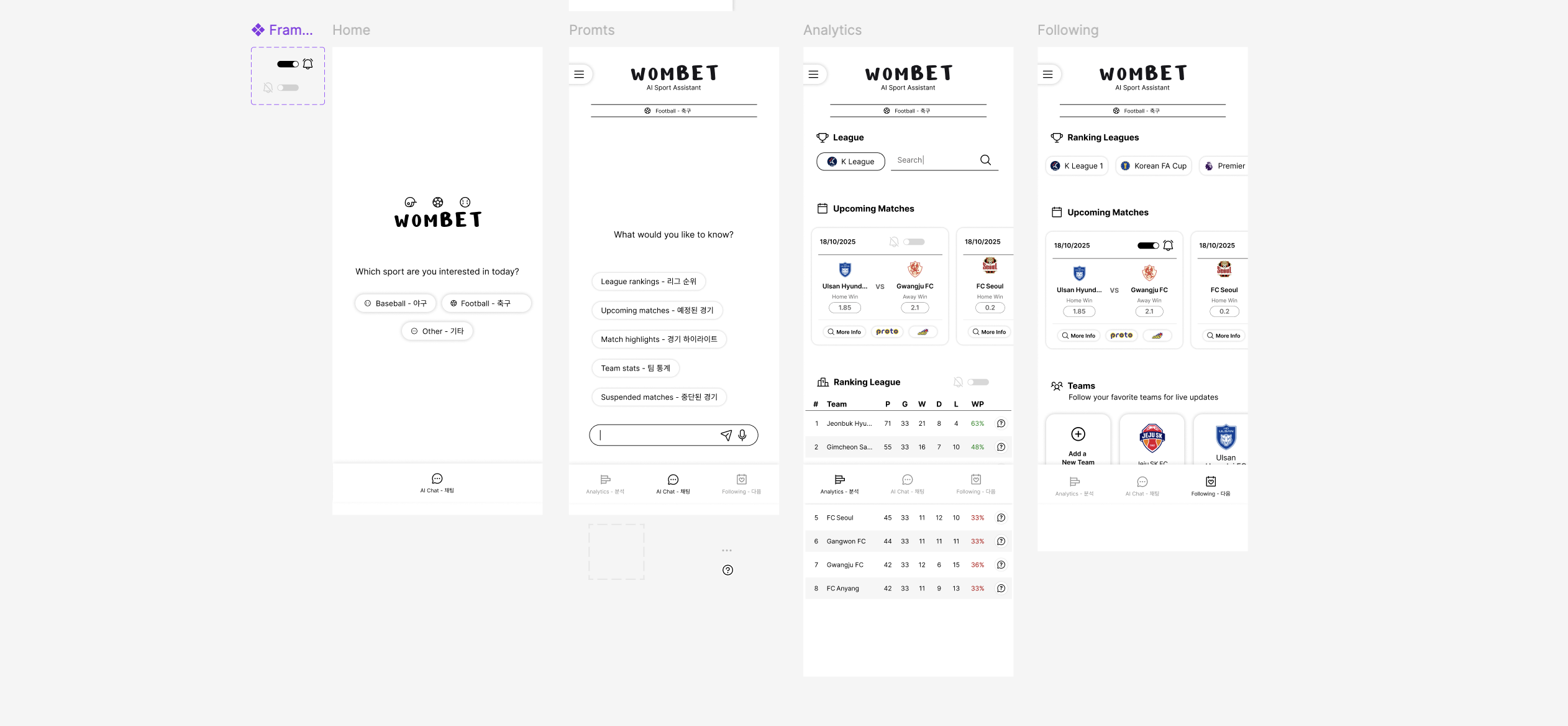
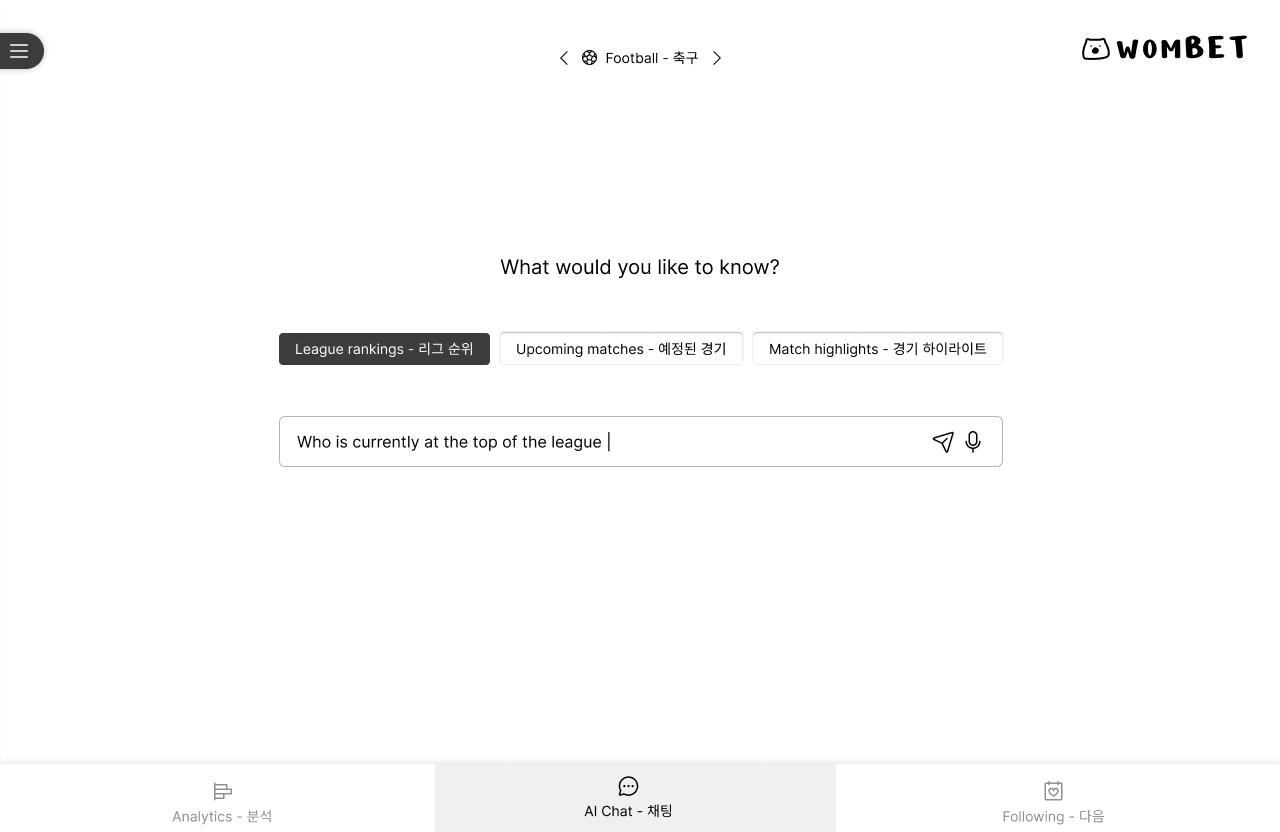
Wombet is an AI chatbot that provides sports analytics and insights to users in South Korea. The core challenge was twofold: helping users trust an AI-driven tool, and designing an experience that went beyond a generic chatbot for decision-making.
Users needed to understand what Wombet could offer them at a glance, feel confident in the data sources, and find a clear reason to return over simpler alternatives like Naver Sports.
The team conducted user interviews, desk research, and competitive analysis of existing sports related platforms, which fed into personas, a user journey map, and a first service blueprint.
Them, we moved into rapid iterative prototyping and testing with users. As communication manager, I led the documentation and synthesis of research findings across each round, ensuring insights were clearly translated into design decisions.
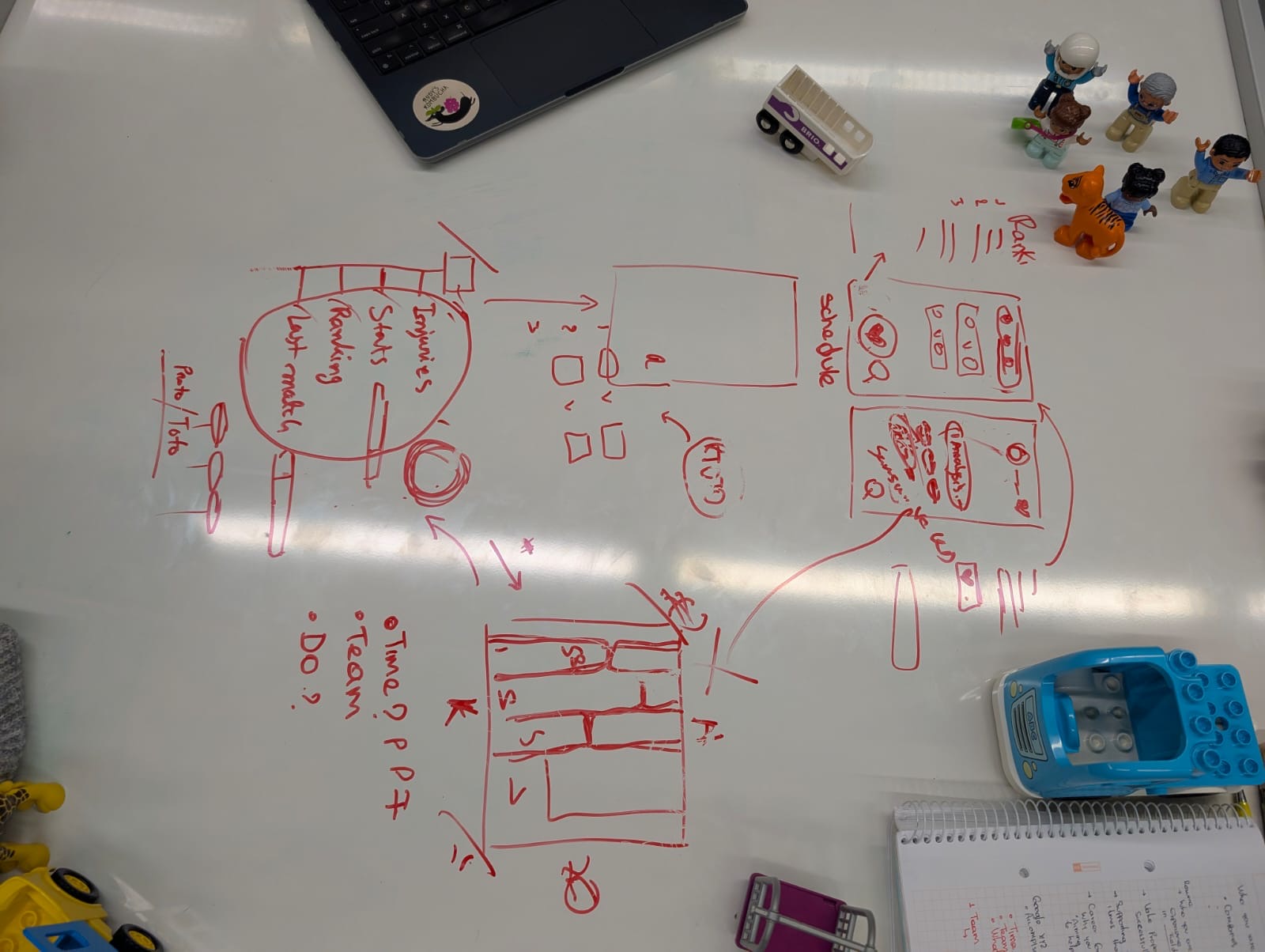
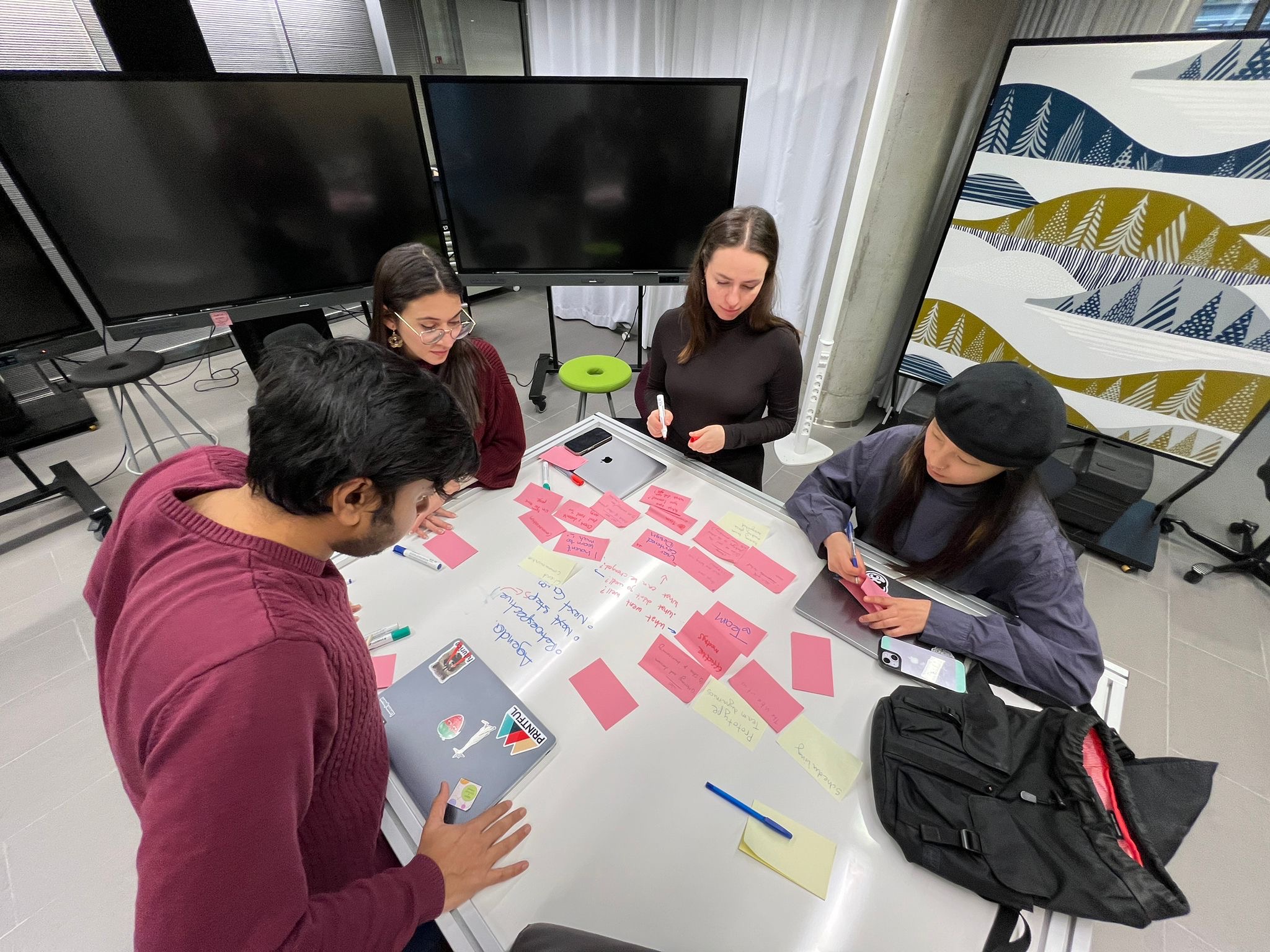
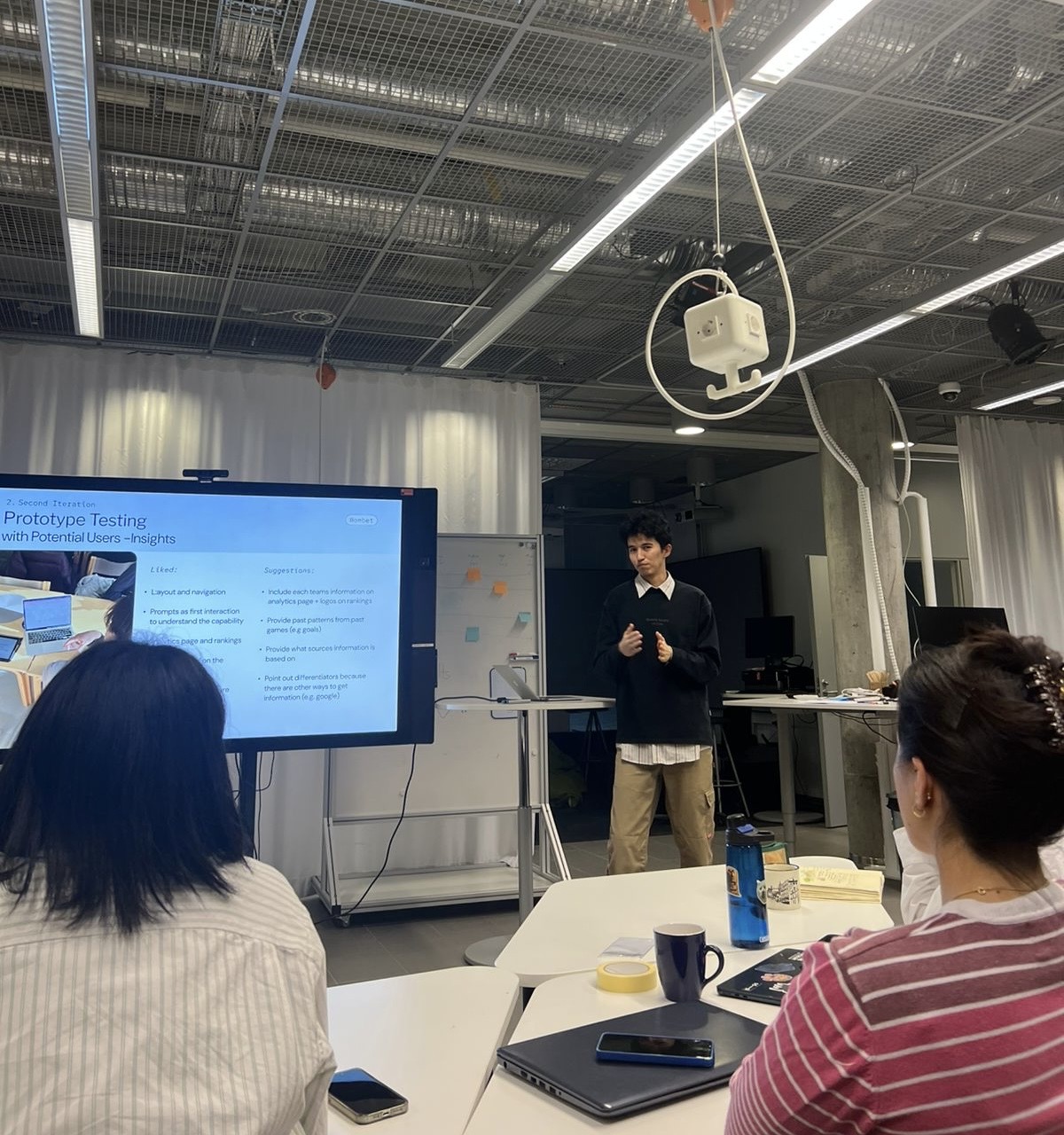
Trust and transparency consistently surfaced as the biggest barriers to adoption. Users wanted to know where Wombet's data came from and how predictions were generated.
Suggested prompts on the home screen proved effective as an onboarding tool, helping users quickly grasp what the product could do. Users also valued the analytics and upcoming match cards highly.
This project reinforced how important it is to test assumptions early — particularly around information hierarchy and feature clarity On the communication side, I learned how to bridge research and design teams more effectively, structuring user testing reports so that insights directly informed the next prototype iteration rather than being absorbed passively.
Working within a regulated and culturally specific market (Korean sports enthusiasts) also sharpened my ability to design with local context in mind from the very start.
Harmonising service touchpoints for a premium Arctic Christmas experience in Lapland.

Joulukka is a premium Christmas experience operated by Santa Park Arctic World in Rovaniemi, Finland, built on the promise of an intimate, story-driven visit to Santa's Secret Forest.
The client brief asked us to identify how to make the service feel more consistent and seamless across indoor and outdoor touchpoints, while also uncovering quick wins and longer-term strategic opportunities. The core tension was a gap between the premium experience being sold and what guests were actually encountering.
The team conducted client interviews, elf and Santa interviews, desk research, market and competitor analysis, social media listening, and an ideation workshop. We mapped the full customer journey across two guest personas: experience-driven group travelers and premium private tour families.
As communications lead and strategy contributor, I was responsible for synthesising findings across research streams, facilitating stakeholder communication, and shaping the strategic recommendations presented to the client.
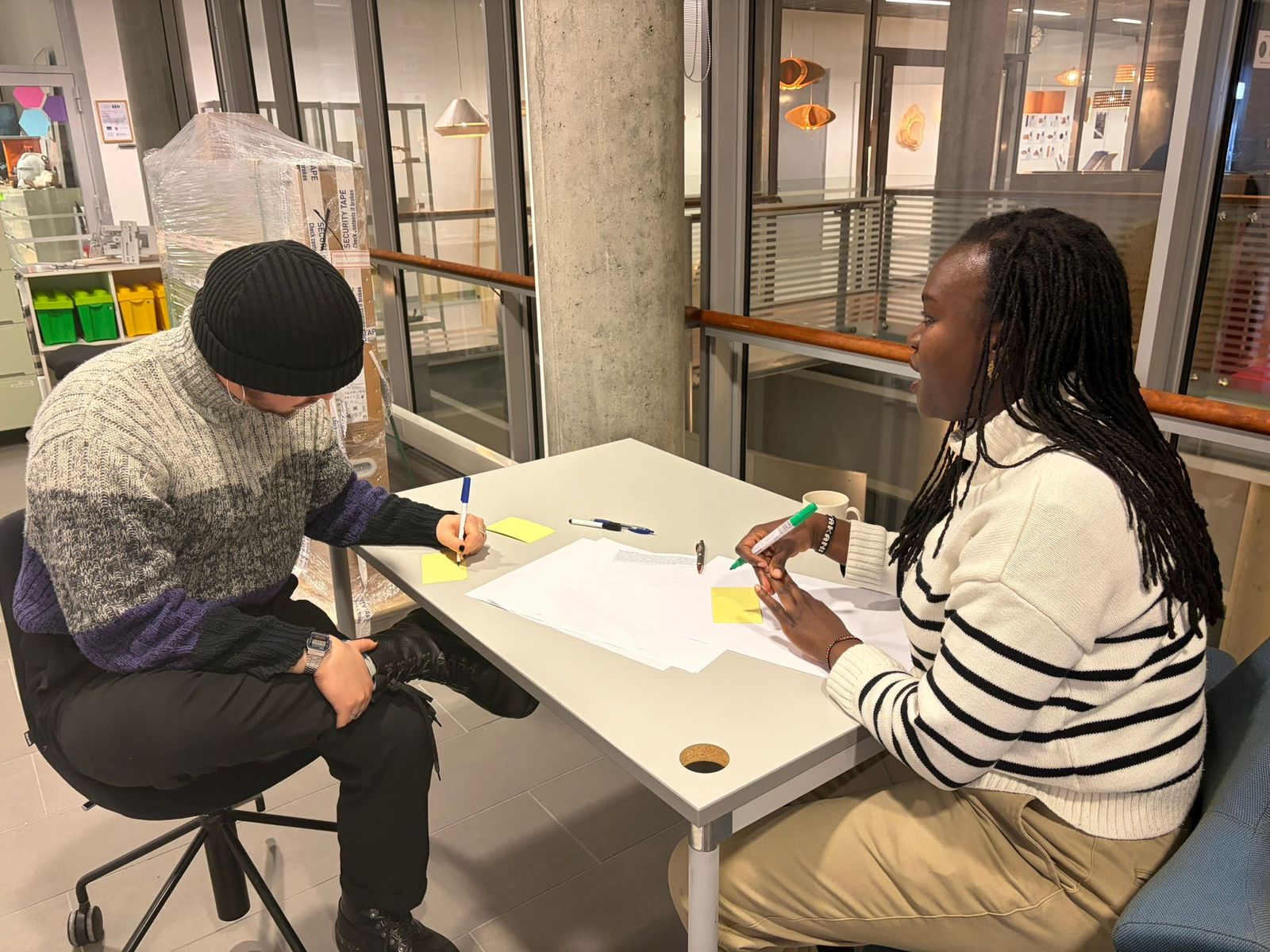
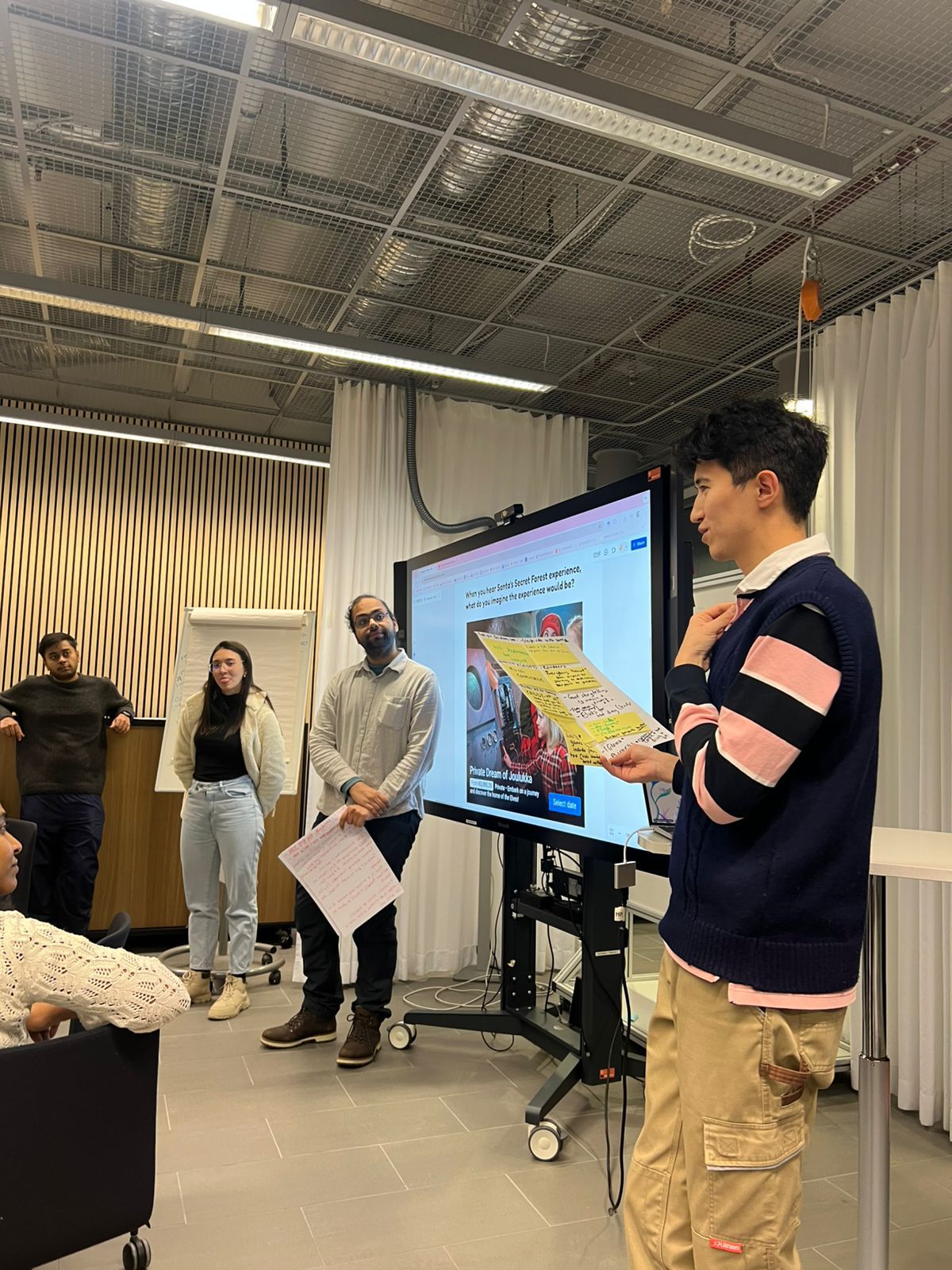
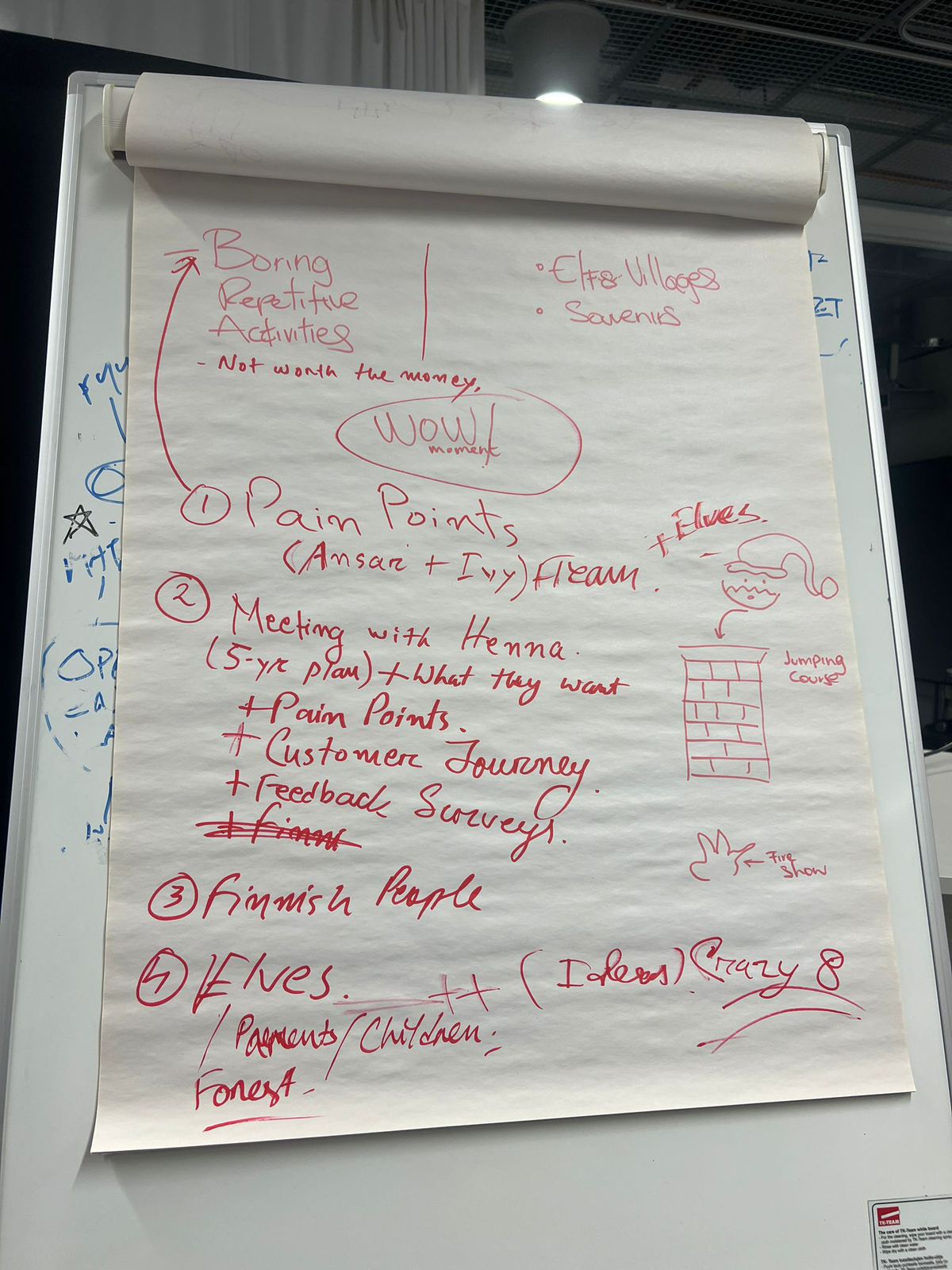
Guests didn't just want activities, they wanted a coherent story that tied the whole experience together. Backstage issues were quietly eroding the magic: overworked elves, a chaotic WhatsApp-based coordination system, and inadequate facilities were all surfacing in guest reviews.
Social media, especially TikTok, was also creating an expectation gap where potential visitors were calibrating expectations against other Lapland experiences that Joulukka couldn't match. Competitively, Joulukka's strongest differentiator was its intimate, no-crowd positioning, which competitors lacked but which wasn't being fully leveraged.
This project taught me how to design for multiple stakeholders simultaneously such as guests, staff, and business sustainability, and how deeply backstage decisions shape the perceived quality of a front-stage experience.
I also learned how to translate intangible values like "magic" and "wonder" into actionable design principles and operational recommendations. Working with a live client during their peak season added real constraints around communication timing and stakeholder access, which sharpened my ability to work with incomplete information and stay strategic under pressure.
Increasing civic participation of youth through rewards system.
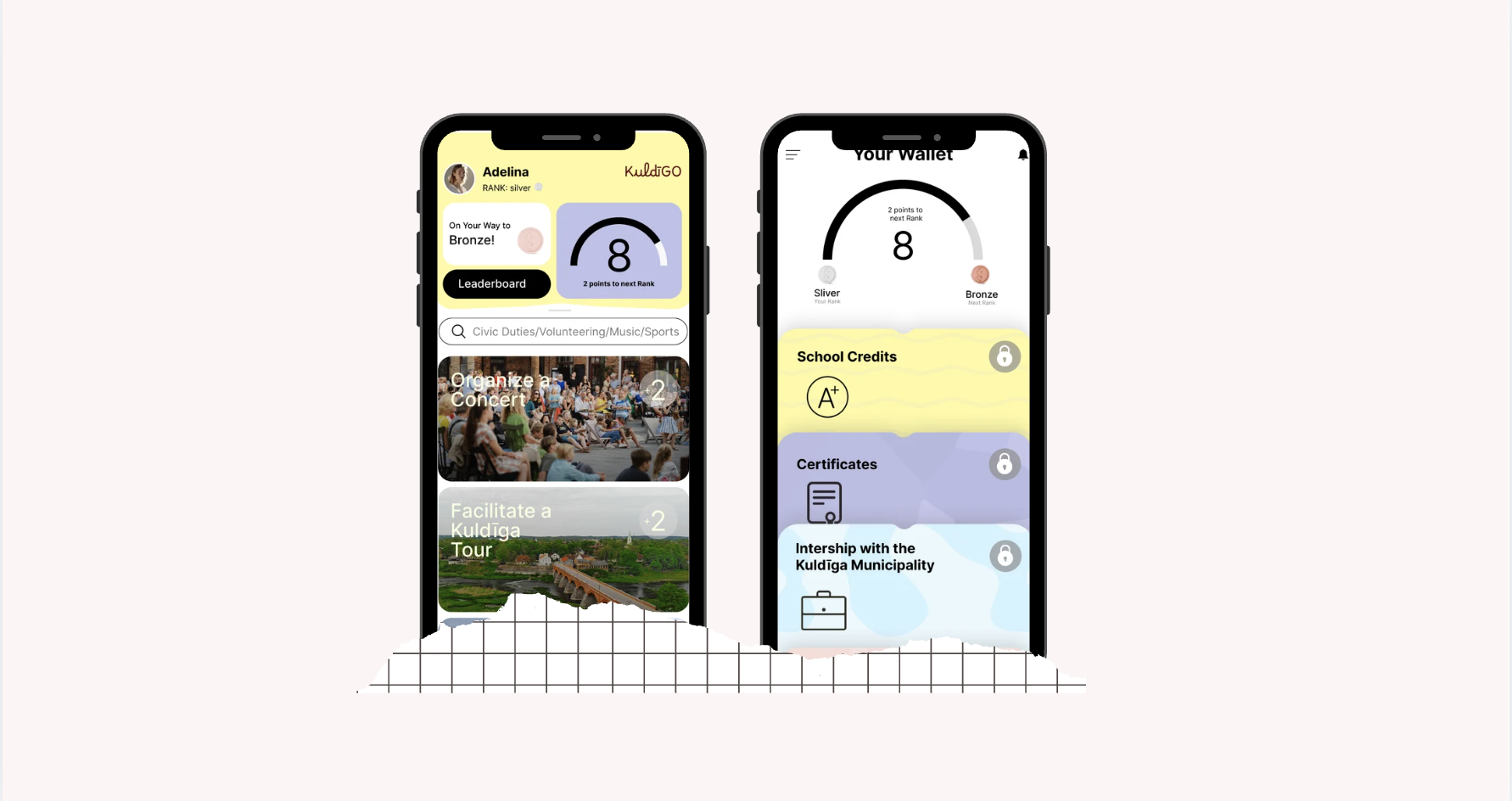
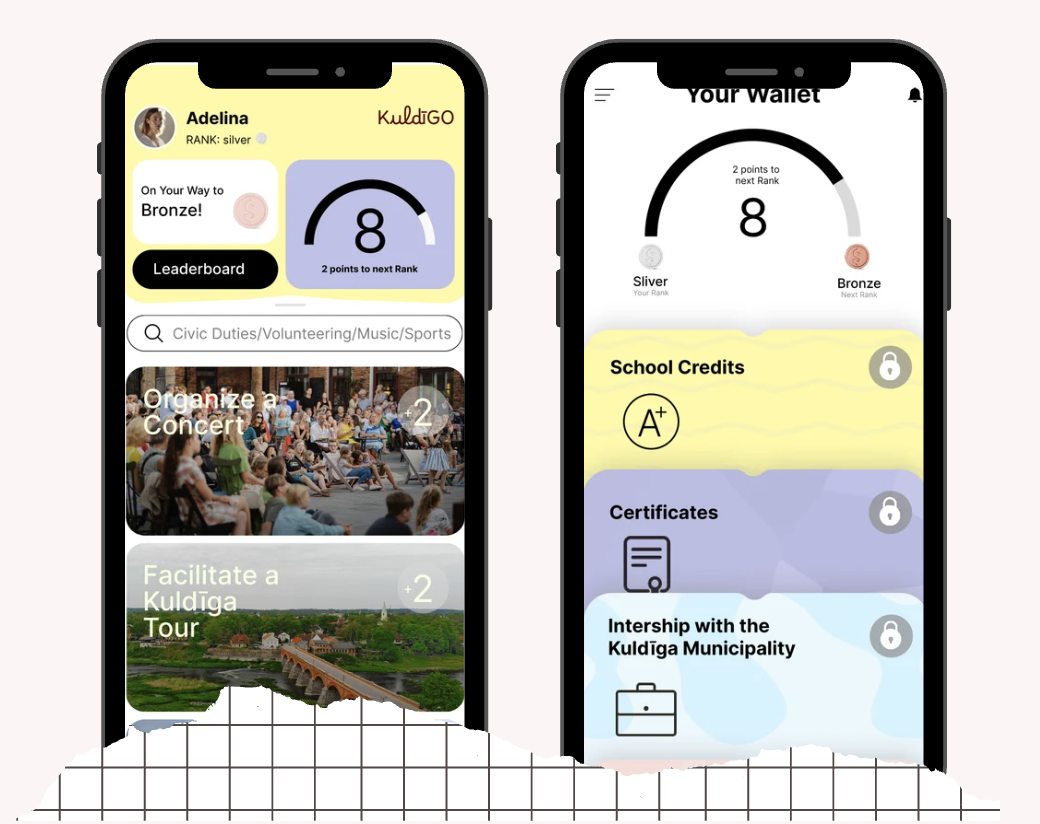
Kuldīga faced a structural challenge familiar to small towns across Latvia: young people were leaving after secondary school and not returning. The municipality wanted to reverse this trend but had a limited budget and a historically top-down relationship with its youth population.
In addition, despite civic education being part of Latvia’s national curriculum, many young people remain disengaged from local civic life..
An initial stakeholder mapping exercise revealed that youth and municipal actors had fundamentally different diagnoses of the problem. The city thought young people left for jobs; young people said they left because nobody asked them to stay.
Interviews and surveys with 30+ high school students aged 16-18 helped to gather insights into their motivations, barriers, and perceptions of civic participation. Additionally, interviews with local employers, youth center, and teachers painted a far more nuanced picture of what "opportunity" meant to different groups.
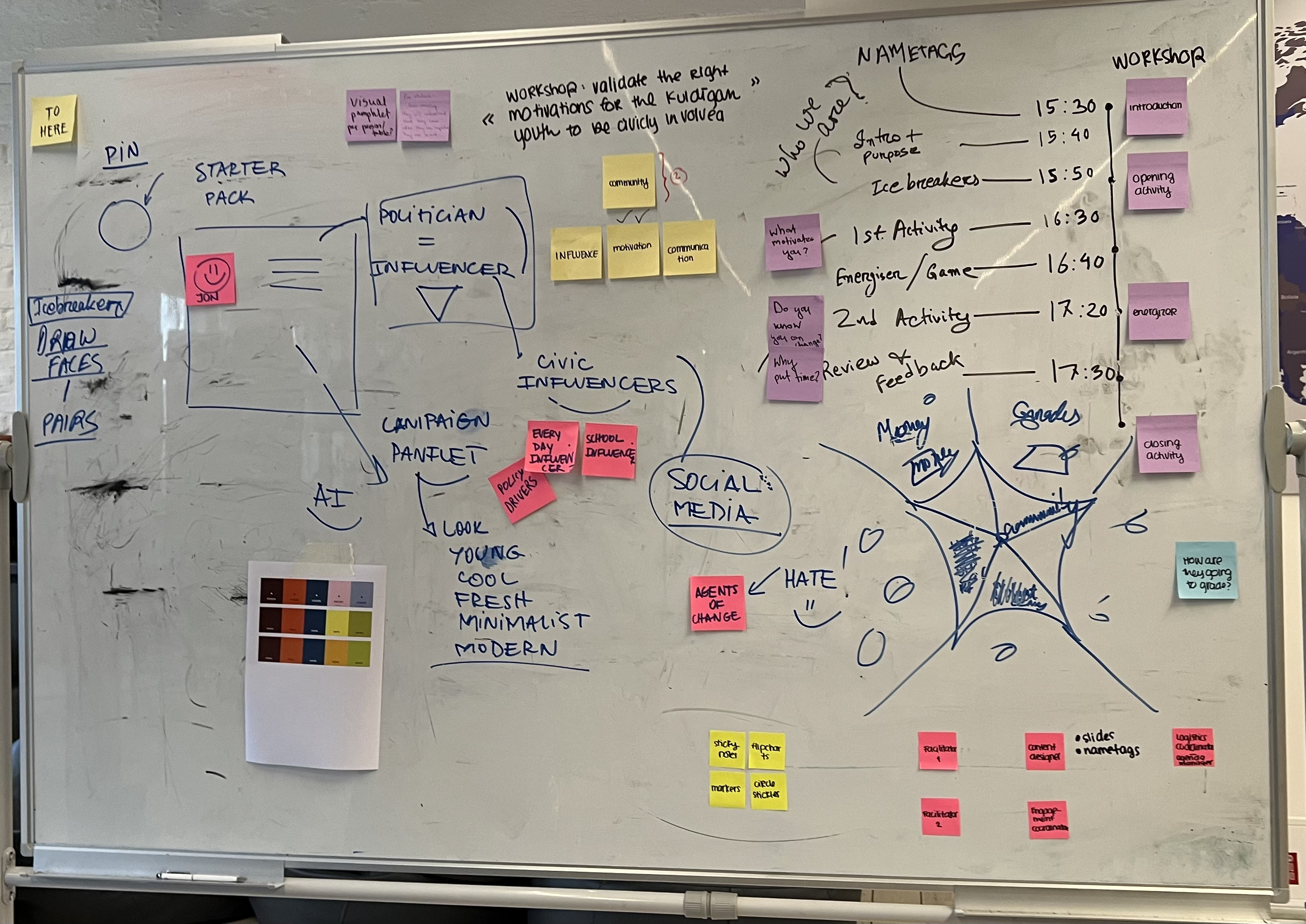
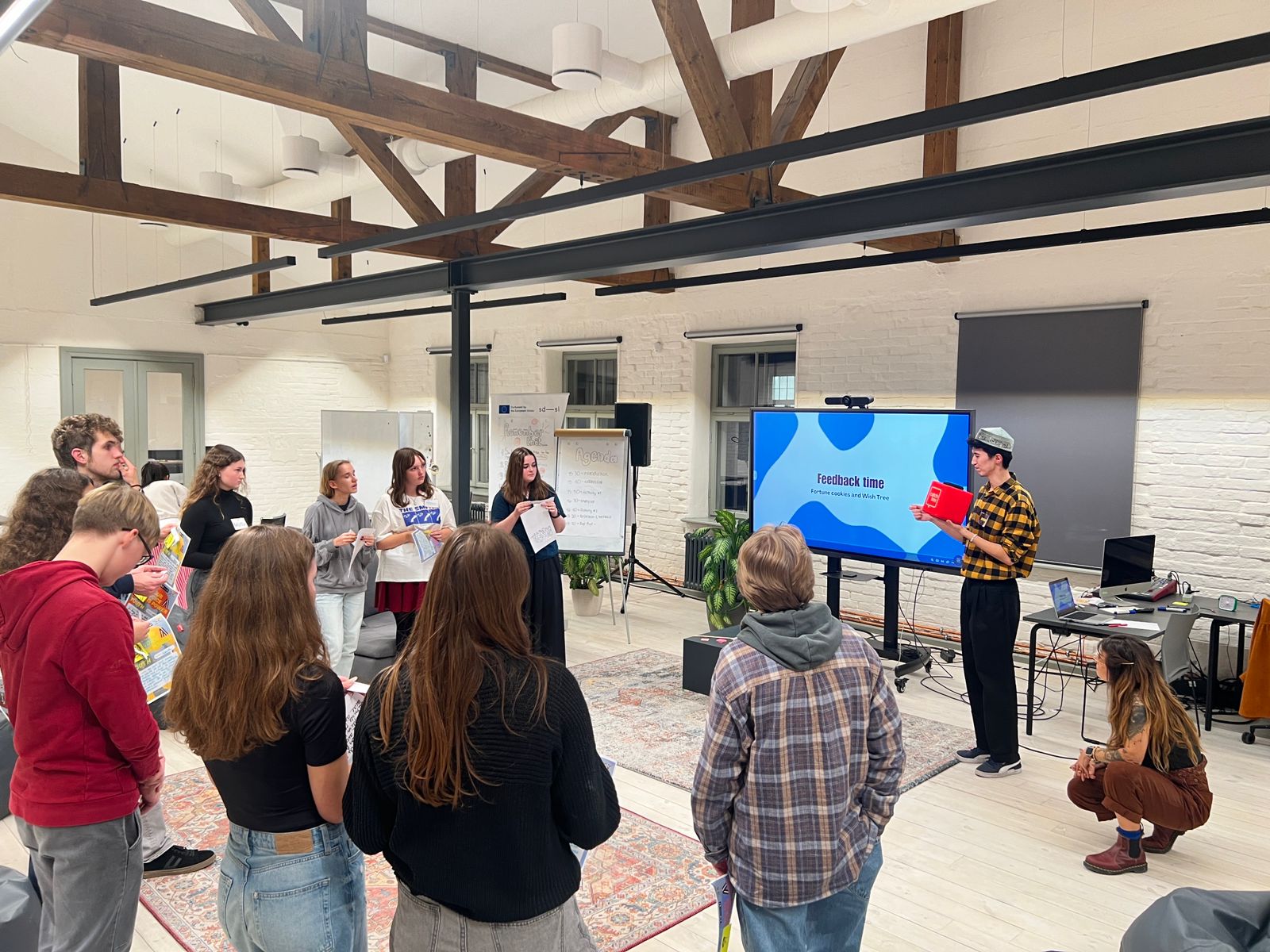
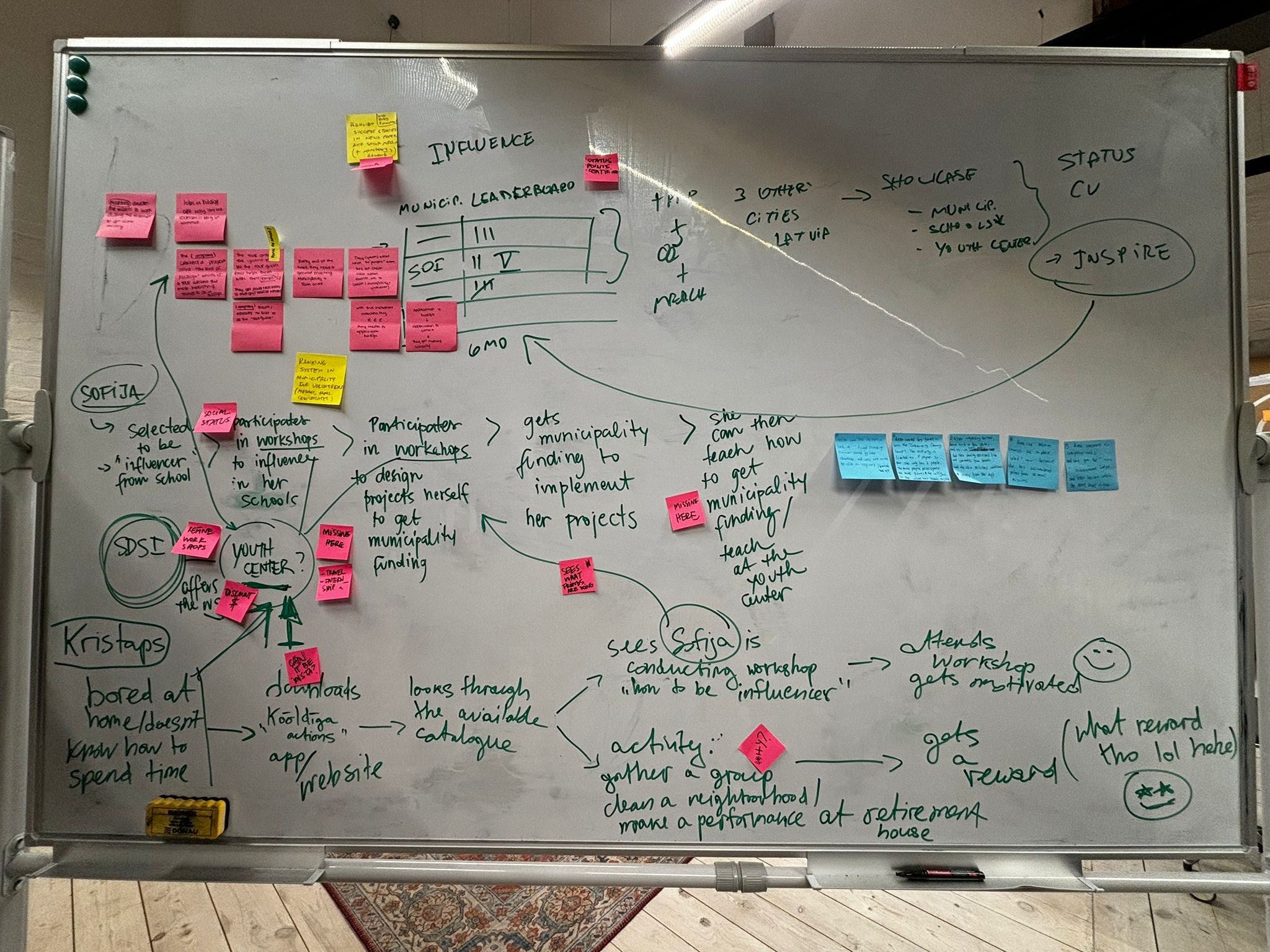
1. Recognition & visibility: Students want to be seen and acknowledged by their peers and elders.
2. Access & convenience: Civic events must fit into students’ daily lives and be easy to find and join.
3. Gamified motivation: Tangible goals and point systems can boost intrinsic motivation.
From these insights, we reframed our challenge from simply “raising awareness” to creating visibility, peer relevance, and emotional reward around civic participation. This shift laid the foundation for a more youth-centered design strategy.
I strengthened my fluency in design tools and gained confidence in using service design frameworks like journey maps, blueprints, and community theory. Teamwork across cultures is powerful. Working with five other students from different countries expanded my perspective and sharpened my communication skills.
KuldiGO challenged me to fail fast and iterate thoughtfully. The pivot from our original idea to a functioning prototype only happened because we committed to testing early — even if it meant discarding work.
Designing a farm-to-table digital platform to reconnect urban consumers in China with small-scale fruit farmers.
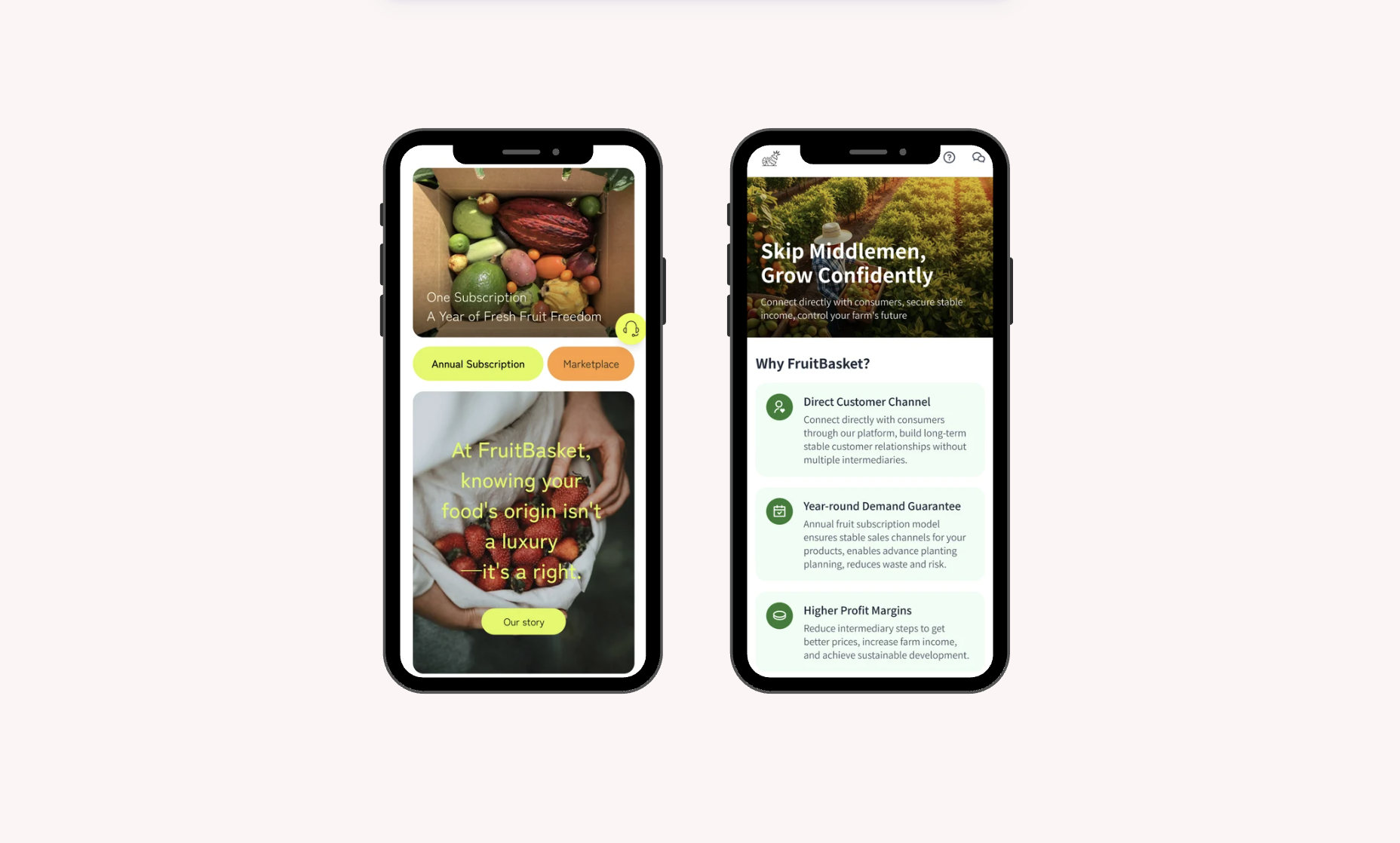
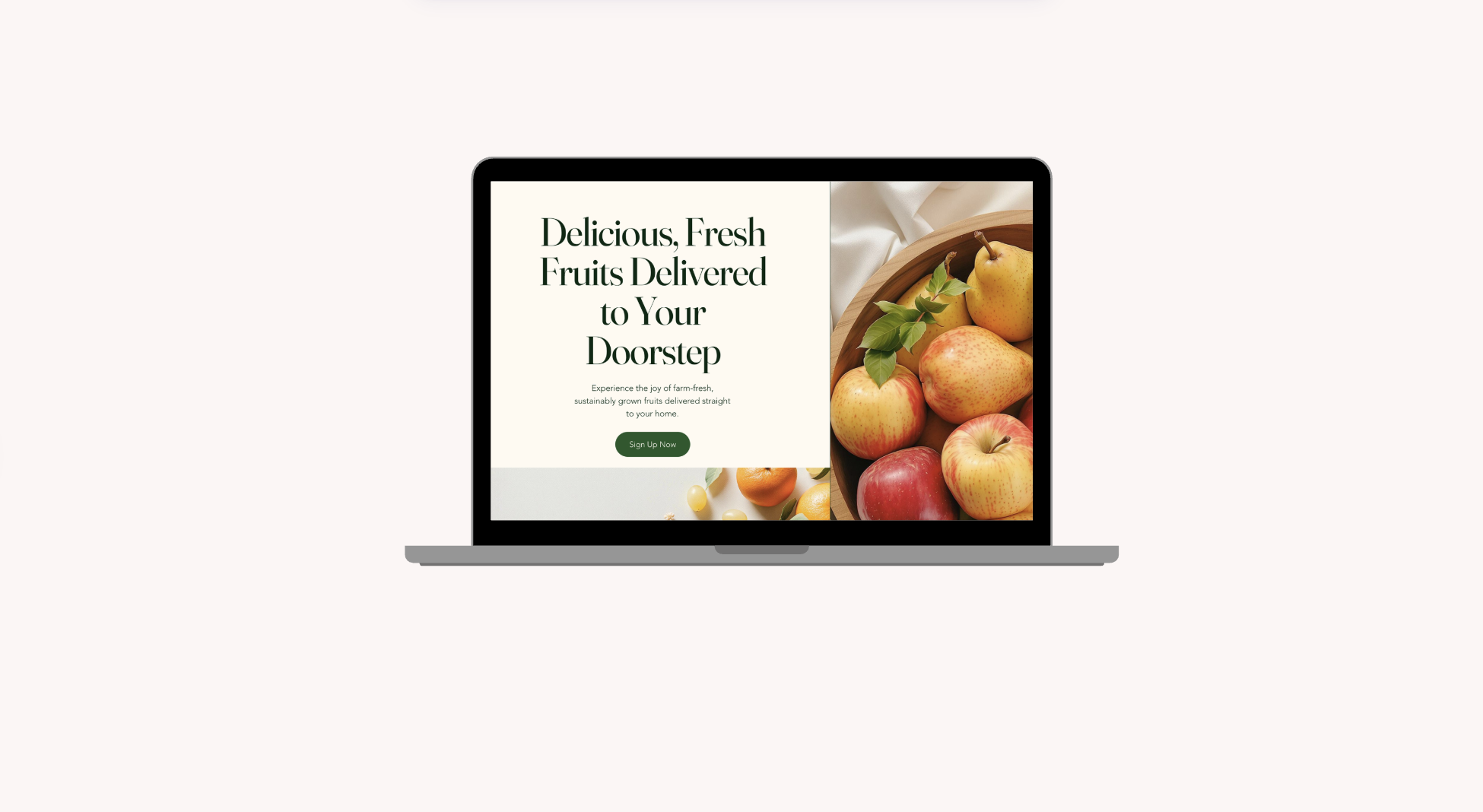
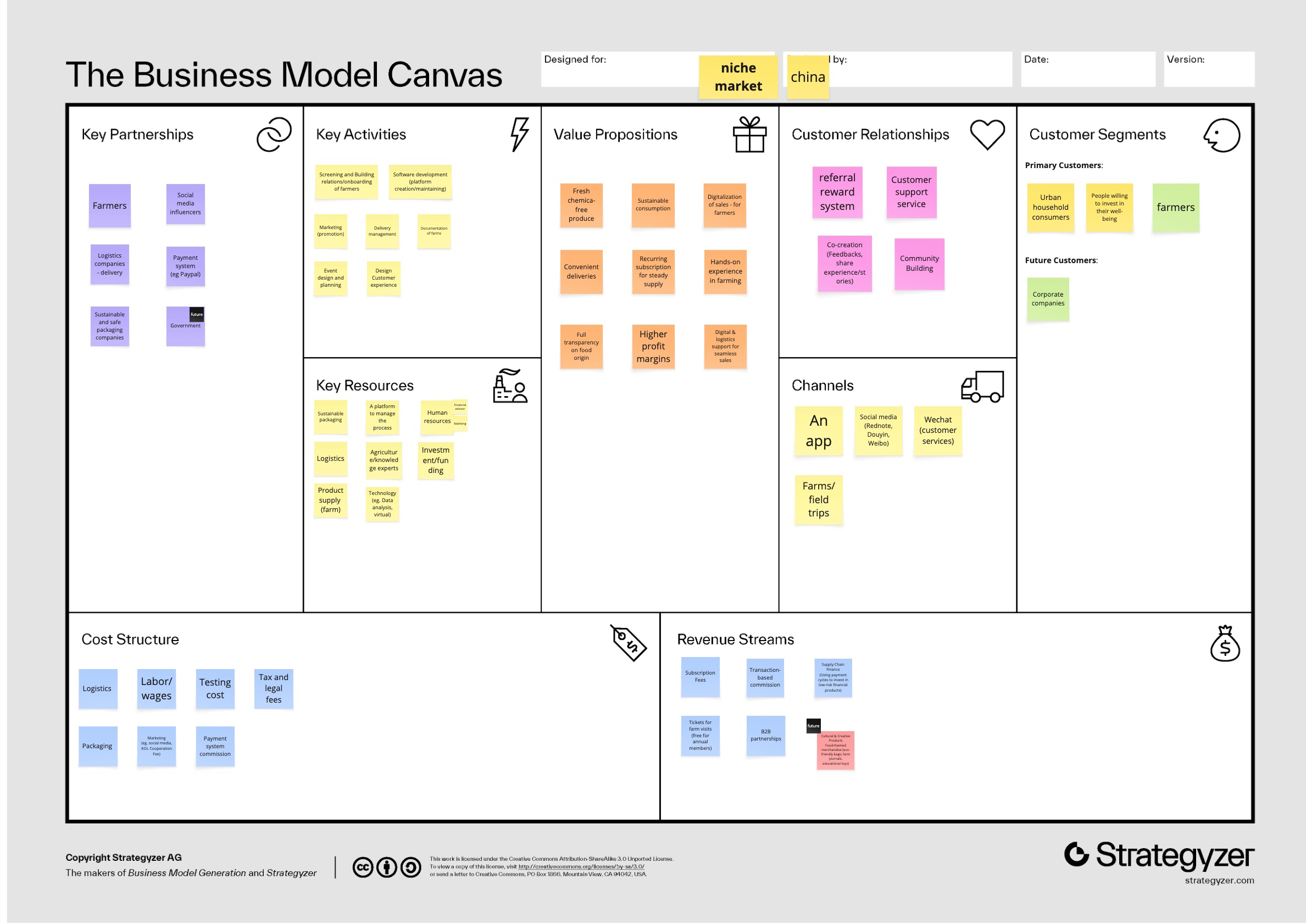
FruitBasket is a platform concept developed within Inno Lab, aimed at connecting small-scale fruit farmers in China with health-conscious urban consumers. The course brief asked us to identify a viable business model and build a validated prototype from scratch.
The core tension was geographic and cultural: a five-person international team designing a product for a market none of us lived in, while trying to move fast enough to iterate the Business Model Canvas three times over a single semester.
The team conducted stakeholder interviews, discovery surveys, social media polls, a live landing page test, desk research, and a day-in-a-life study targeting urban consumers in China. We mapped user journeys across two segments: health-conscious urban dwellers and small-scale fruit farmers.
As team coordinator and research contributor, I was responsible for keeping the research process moving across five time zones, facilitating team decision-making during key pivots, and ensuring findings from each phase fed directly into the next iteration of our business model.
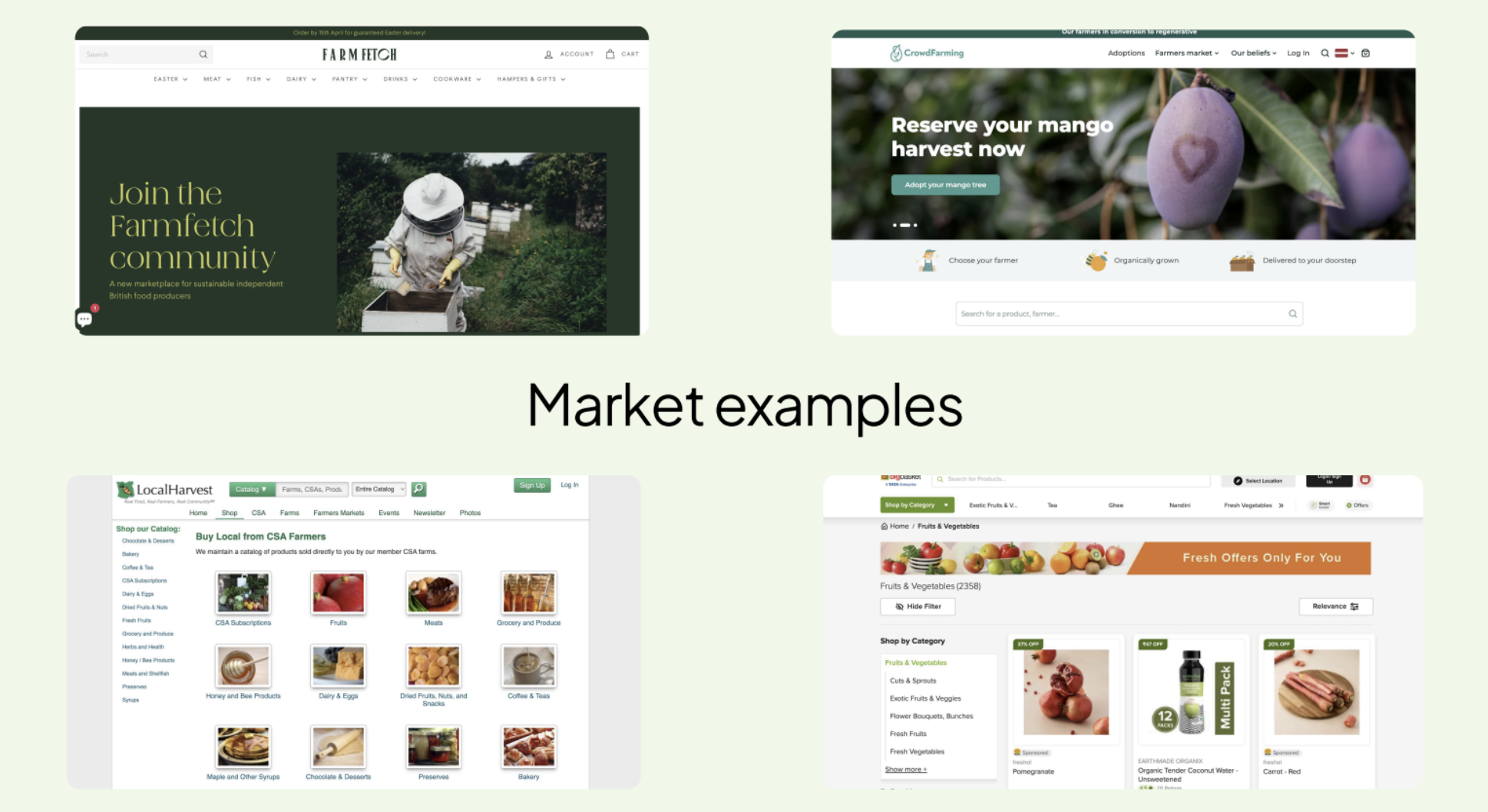
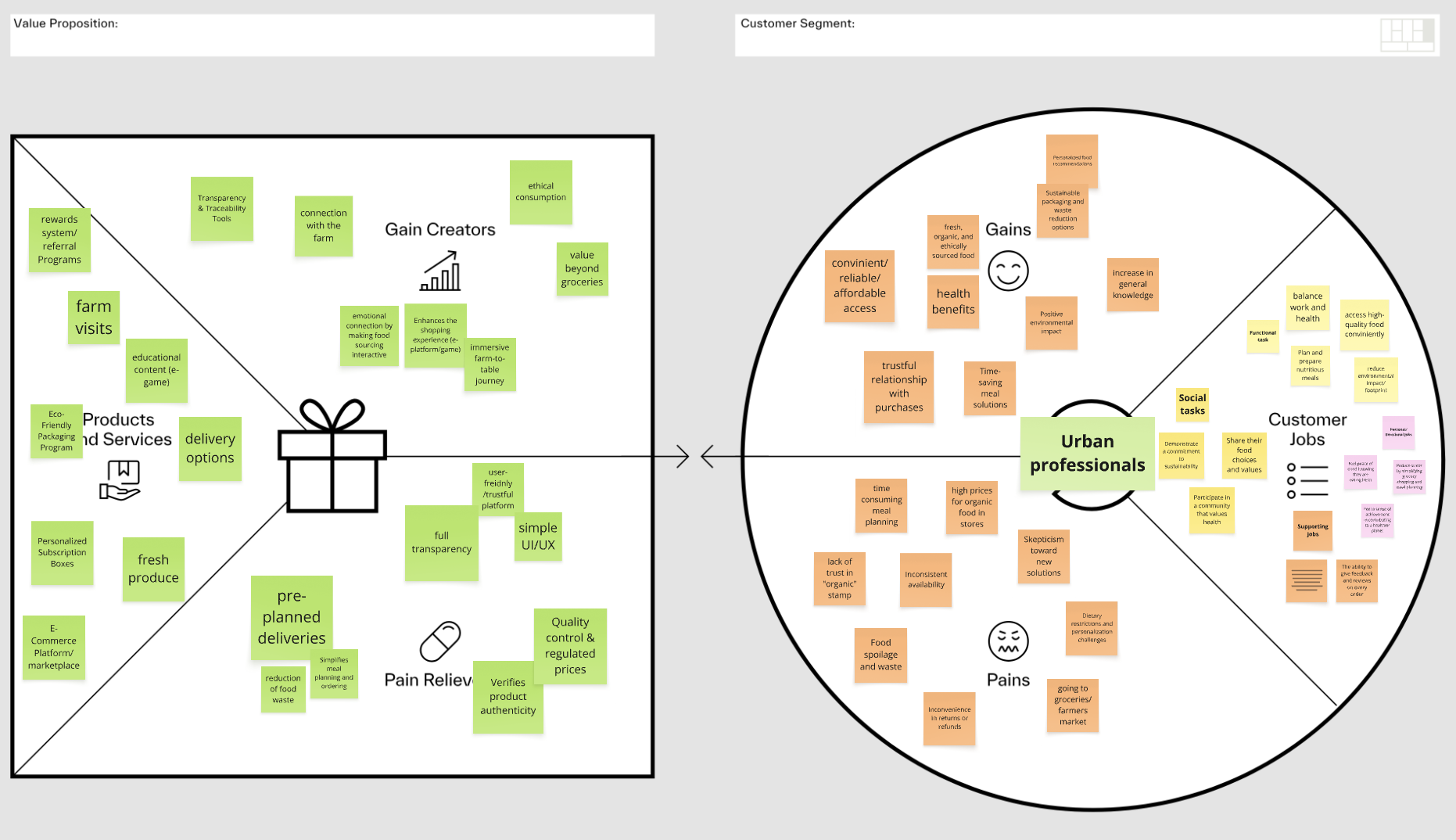
Convenience consistently outweighed idealism: even users who cared deeply about sustainability expected the ease and speed of mainstream delivery platforms, which set a high baseline for what FruitBasket needed to match.
The gamification feature we had invested in early was flatly rejected by users, which forced a productive reckoning with the difference between what seems innovative and what people actually want.
On the supply side, farmers weren't struggling to grow fruit, instead they were struggling to sell it. Limited digital literacy and no direct-to-consumer infrastructure meant the platform needed to serve farmers as much as it served buyers, a balance we underestimated early on.
This project taught me how to coordinate a team through ambiguity, especially when research keeps shifting the direction you thought you were heading. Dropping features, narrowing geography, and reframing the core value proposition mid-project are easy decisions in theory but genuinely difficult when the team has already invested in an idea.
I also learned how much cultural distance complicates research. Designing for Chinese consumers and farmers from outside that context meant relying heavily on secondary research and local contacts, which sharpened my ability to hold findings more lightly and stay open to being wrong. Working within a fixed academic timeline added pressure that, in hindsight, was useful — it forced decisions that might otherwise have stayed open too long.

I believe that great design is about the entire ecosystem of human interaction. Working directly with the public in diverse settings, I design with a deep, practical understanding of human behavior. I am ready to channel this energy into a full-time service design, UX research, experience operations, and people management roles.
The tools of service design as blueprints, journey maps, personas are only as useful as the quality of attention behind them. I come to every project with genuine curiosity about why things are the way they are, and a deep respect for the expertise held by the people who live inside a system every day.
Economics taught me to follow incentives. Design taught me that people rarely behave like the models predict. I work in the gap between the two.



I'm always happy to connect and chat about a role, a project, or just a conversation about design and people.